The alert came 18 hours before my crisis — Amara
Amara had plans.
She was preparing for a weekend trip with friends, finishing work before the holiday, and looking forward to a much-needed break. Nothing felt wrong. She wasn't in pain. She wasn't unusually tired. She had no reason to think that within a day, she'd be fighting a sickle cell crisis. Then her phone vibrated. Her health band had detected unusual changes in her physiological patterns and prompted her to pay closer attention to how she was feeling. At first, she ignored it. "I actually thought it was just another routine notification."
Later that evening, she opened the app. Her recent health trends showed subtle changes from her normal baseline. Nothing dramatic. Just enough to suggest that her body was under more stress than usual. She remembered she'd been sleeping less that week. She'd skipped lunch twice. She hadn't been drinking as much water as she normally did. Work deadlines had kept her glued to her desk. None of those things felt serious on their own. Together, they painted a different picture.
Instead of brushing it off, Amara decided to slow down. She cancelled an evening outing. She focused on drinking fluids. She ate a proper meal. She went to bed earlier than usual. The next morning, she contacted her healthcare team to let them know she'd noticed changes in her health and wasn't feeling quite like herself. They encouraged her to continue monitoring her symptoms, stay hydrated, and seek medical care immediately if she developed pain or other concerning symptoms. She was glad she called.
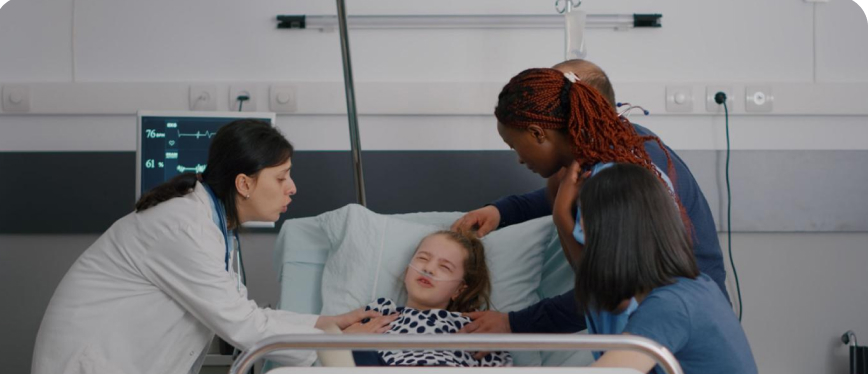
The pain began gradually. A dull ache spread across her lower back before moving into her legs. She recognised the feeling immediately. A sickle cell pain crisis. But this time, something was different. She wasn't caught completely off guard. She had already rested. She was hydrated. She had spoken with her healthcare provider. She knew exactly what to do next. Although she still needed medical care, she felt more prepared than she ever had before. "The crisis still happened," she says. "But I wasn't starting from zero."
Living with sickle cell disease often means living with uncertainty. Many people describe wondering when the next pain episode will happen and whether they'll notice the warning signs in time. For Amara, health monitoring became less about predicting the future and more about paying attention to the present. Instead of waiting for severe pain to force her into action, she began noticing smaller changes in her daily wellbeing. Those small observations helped her make healthier choices before problems became bigger.
Amara is quick to point out that her health band didn't predict her crisis with certainty. It didn't diagnose her. It didn't replace her doctor. It simply detected changes from her usual patterns and encouraged her to check in with herself. That reminder changed how she responded. Instead of ignoring her body's signals, she listened.
Since then, Amara has become more intentional about her daily routine. She prioritises: staying well hydrated throughout the day, maintaining a consistent sleep schedule, taking breaks during stressful periods, tracking changes in her overall wellbeing, following her treatment plan and attending regular medical appointments. She says the biggest difference isn't that she's become healthier overnight. It's that she feels more informed. "I can't control everything about sickle cell disease. But I can pay closer attention to my body."
When people ask whether wearing a health monitoring band is worth it, Amara smiles. "Don't think of it as something that predicts your future," she pauses. "Think of it as something that helps you notice your present." Then she adds the sentence she now tells everyone living with sickle cell disease: "The alert came 18 hours before my crisis. It didn't stop the crisis — but it gave me 18 hours to prepare. Sometimes, that's the difference that matters."
Related Article
From fear to data — how STATRA changed how Fatima manages her sickle cell.
What once felt like uncertainty and constant worry has become clarity and control — STATRA helps Fatima track her health parameters and stay ahead of every crisis.
Continue Reading →
"I haven't been hospitalised in 8 months" — Kofi's story
Read how Kofi's journey with better health tracking, medication consistency, and early symptom awareness helped him avoid hospitalization for eight months.
Continue Reading →
Interpreting Sickle Cell Data for Better Clinical Decisions
This research helps doctors translate patient-generated and clinical data into actionable insights, improving diagnosis accuracy, and monitoring disease progression.
Continue Reading →