"I haven't been hospitalised in 8 months" — Kofi's story
When Kofi was nine years old, she thought every child spent nights in hospital beds.
Growing up with sickle cell disease (SCD), pain crises became part of her routine. Birthdays were interrupted. School terms ended with emergency admissions. Football games with friends often lasted only a few minutes before exhaustion or pain forced her to stop. By the time she reached her twenties, hospital admissions had become so common that she kept a small backpack permanently packed. Her family worried constantly. Her employer tried to be understanding, but repeated sick days affected her confidence. The hardest part wasn't only the pain. It was never knowing when the next crisis would happen.

Kofi became extremely cautious. She monitored the weather, avoided long journeys, drank water almost obsessively, and cancelled plans at the slightest sign of fatigue. Even then, crises still happened. Sometimes they started with a dull ache in her back. Other times, she woke in the middle of the night with pain so intense that speaking became difficult. Every emergency visit felt like starting over.
During one routine clinic visit, Kofi's healthcare team spoke about something different. Instead of only treating crises after they occurred, they encouraged her to better understand the patterns that often came before a pain episode. Kofi realised something important. She had never been tracking her health consistently enough to notice these early warning signs.
She began wearing a health monitoring band that helped her keep track of daily wellness metrics. It wasn't a cure. It didn't replace medication or medical appointments. Instead, it became a simple reminder to pay attention to her body every day. She gradually built healthier routines.
One morning, while reviewing her calendar, Kofi noticed something surprising. Eight months had passed. No emergency admissions. No overnight hospital stays. No ambulance rides. She paused for a moment before telling her mother. "I haven't been hospitalised in eight months." Neither of them said much. They simply smiled. For most people, eight months may not seem extraordinary. For Kofi, it represented hundreds of ordinary moments that illness had not taken away.
These days, Kofi still lives with sickle cell disease. She still attends regular clinic appointments. She still follows medical advice carefully. But life feels less controlled by uncertainty. She spends more weekends with friends. She travels with greater confidence. She plans ahead without assuming every plan will end in a hospital visit. Most importantly, she feels more connected to her own health.
Health technology is becoming an increasingly valuable companion for people managing long-term conditions. Wearable devices can help individuals monitor trends in their daily wellbeing, encouraging healthier habits and greater awareness. For people living with sickle cell disease, recognising changes early and maintaining consistent routines can support conversations with healthcare professionals and contribute to better day-to-day management. Technology alone cannot prevent pain crises or replace professional medical care. But when combined with prescribed treatment, regular clinical follow-up, and healthy lifestyle habits, it can help people make more informed decisions about their health.
When asked what advice she would give someone newly diagnosed with sickle cell disease, Kofi doesn't talk about technology first. She simply says, "Listen to your body before it has to shout." Then she smiles. "Eight months isn't the end of my journey — but it's proof that small, consistent choices can add up to something worth celebrating."
Related Article

From fear to data — how STATRA changed how Fatima manages her sickle cell.
What once felt like uncertainty and constant worry has become clarity and control — STATRA helps Fatima track her health parameters and stay ahead of every crisis.
Continue Reading →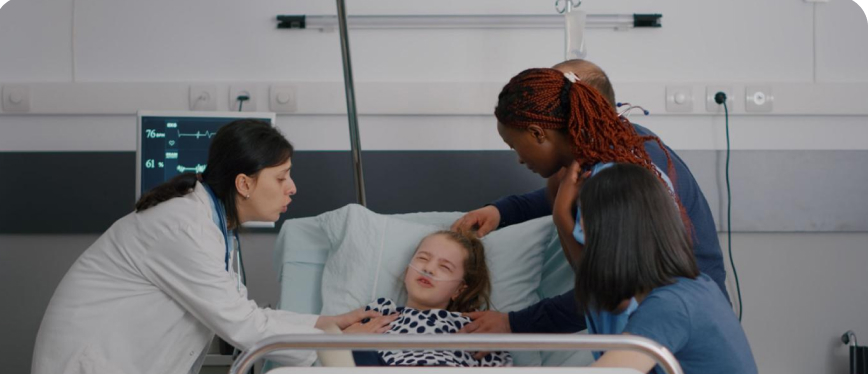
The alert came 18 hours before my crisis — Amara
Discover how early warning detection and proactive health monitoring transformed one patient's journey with sickle cell in Lagos — helping her better understand her own body.
Continue Reading →
Interpreting Sickle Cell Data for Better Clinical Decisions
This research helps doctors translate patient-generated and clinical data into actionable insights, improving diagnosis accuracy, and monitoring disease progression.
Continue Reading →